

In Bangladesh, there has been an evolution in the field of esports through the involvement of females in the game. The involvement of females in this field had always been invisible, but they have begun to form their teams and even participate in tournaments. Although the development of the ecosystem is still ongoing, recent developments indicate a growth in the involvement of women in esports in Bangladesh.
One factor that has contributed significantly to this rise is the advent of women oriented gaming events and platforms. The eBLAZE Female Valorant Tournament held in Dhaka is an example of such events that promote inclusivity. Aimed at “empowering and celebrating female gamers,” the event provided the participants with an exclusive gaming platform with prizes on offer, which makes it a perfect venue to nurture talent in the esports landscape .
There are also indications of initiatives taken to create an ongoing pipeline for the future. The organizers of the eBLAZE Women’s Series have highlighted the need for developing a “female friendly” gaming environment where women can participate regularly and develop their skills. This change from individual events to regular series is noteworthy in that it suggests that female esports in Bangladesh is shifting from grassroot-level initiatives to institutional backing.
Yet another important indicator of growth is the presence of competitive teams made up of Bangladeshi women competing on the global stage. An example can be the team comprising only Bangladeshi women competing in international leagues such as Global Esports Games . Recently, Bangladeshi teams such as Team Hexagon managed to qualify for international tournaments such as the VCT Game Changers South Asia Finals. This proves that Bangladeshi women are capable of competing on the global stage. It is important for teams to compete internationally because international exposure results in greater attention and sponsorships.
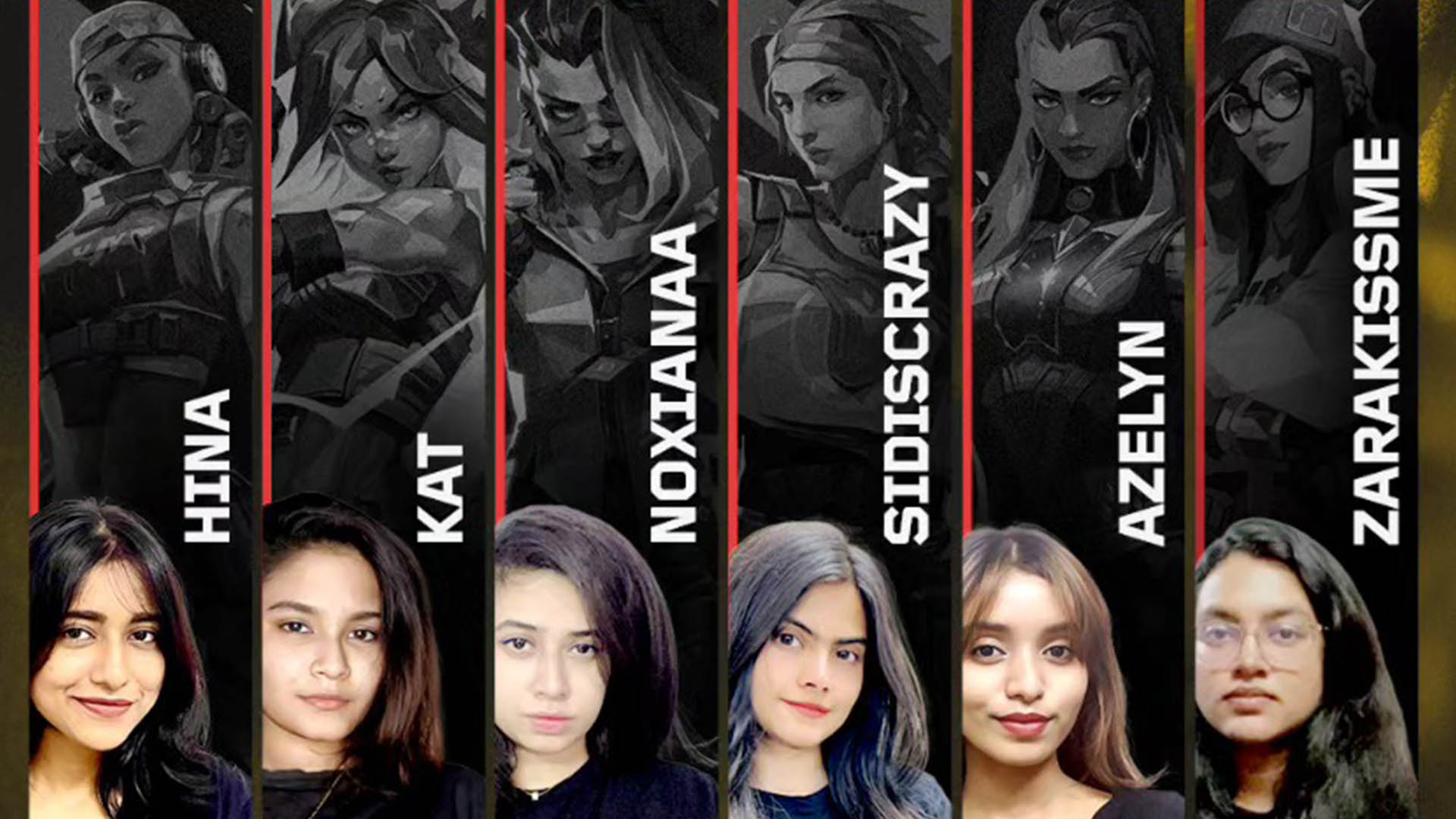
Also important is the emergence of tournaments for women in the country. Bangladesh’s first women-only esports tournaments represented a crucial milestone where women were formally acknowledged as competitors in their own right, rather than just recreational players. Not only do these tournaments create safe spaces and support systems, but they also tackle a major challenge in esports, that of accessibility. In co-ed tournaments, women may be subjected to harassment and discrimination, which dissuades them from playing for extended periods.
Nevertheless, the problems are far from being overcome. The social stereotypes still impact the attitude towards women gamers in Bangladesh. There is an opinion that gaming remains a male hobby. Women can be doubted by their families and the community when they decide to develop themselves in this sphere professionally. Moreover, one should take into account that online harassment is rather common today, and women can suffer from it while playing games. Besides, lack of sponsorships becomes a barrier for many aspiring gamers.
When The Dacca asked for some advices or suggestions for the community to improve the situation of female side in esports scene of Bangladesh, competitive ‘Honor of Kings’ player ‘Wrosia Hana’ has stated some crucial points. She said that, ‘1st the community should be more respectful, supportive and less toxic towards female players. Organizations should make sure there are clear rules and take immediate action against any harassment or bad comments. She also added, ‘Organizations should focus on training and development of the female players. They can arrange coach and team training so female players can improve their skills and grow professionally.’
Another aspect that requires further development includes infrastructure. Although mobile gaming technology allows for easier access and enables many more women to become involved, not all women have equal access to top equipment, training centers, or professional coaches. Lack thereof makes participation in competitive games much more challenging. On the other hand, there are increasingly more competitions, which is a positive trend. Significantly, the development of esports for women is taking place against the backdrop of overall digitalization in the country. With the growth in internet connectivity, availability of smartphones, and youth participation in gaming culture, the general growth in the esports community has been facilitated. In this context, women have found their new avenues to get involved, network, and play. The growing demand for games such as Valorant and Mobile Legends has added fuel to the fire.
Though the trend is yet in its nascent stage, there is no denying that it is on an upward curve. The random group of female gamers is shaping up to be a formidable faction in the world of esports in Bangladesh.
Ultimately, the rise of Bangladesh’s female esports scene reflects a broader cultural shift one where digital spaces are becoming more inclusive and representative. While structural and social challenges persist, the increasing visibility of women in competitive gaming is redefining what is possible. If current trends continue, Bangladesh could soon establish itself as a notable contributor to the global female esports ecosystem, driven by a new generation of players who are no longer content to remain on the sidelines.