


It is natural that when a team is knocked out of the tournament earlier than expected, there is a natural feeling of disappointment. What happens after that, however, is often a true reflection of the character of the cricketing system. In the latest case, the Pakistan Cricket Board (PCB) has certainly made a bold statement with regard to accountability in cricket.
A financial penalty of PKR 5 million (around 22 lakh Bangladeshi Taka) has been imposed on each member of the national team , making the board the first ever major board to take this kind of initiative. This decision was reportedly led by PCB Chairman Mohsin Naqvi, indicating a major change in the way the board deals with international team failures. Apparently, patience has worn off within the board, especially after a number of lackluster performances in major ICC competitions. The rationale behind this decision is quite simple: while the players are entitled to huge financial benefits when the team wins, they must also face a financial penalty when they fail to perform even at a basic level in the tournament.
What is interesting in this context is that Pakistan did not lack individual brilliance in the tournament. Sahibzada Farhan, the opening batsman, gave a historic performance in the tournament. Last month, Farhan smashed the all-time record for the most runs in a T20 World Cup tournament, scoring 383 runs at an average of 76.60 in six innings, including two centuries. Even in the earlier stage of the Super Eight, Farhan was the leading run-getter with 163 runs in three games at an average of 81.50 and a strike rate of more than 155. Yet, Farhan was not spared in the fines.
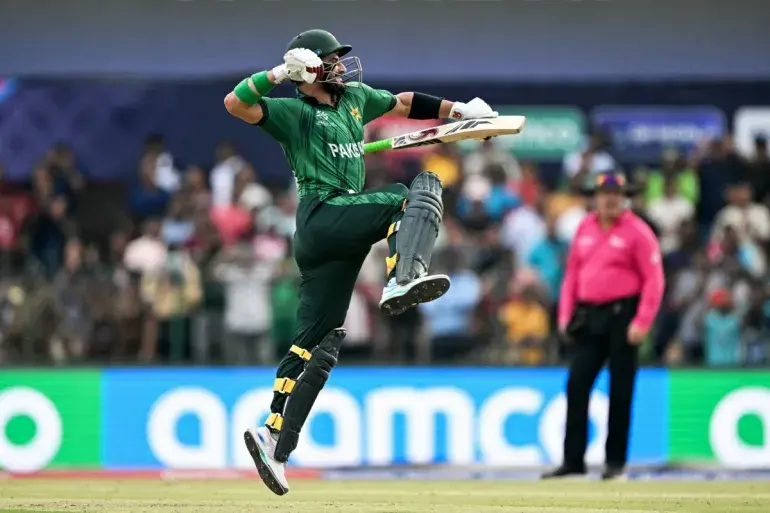
That decision highlights the PCB’s core message: international cricket is ultimately about collective success, not individual milestones.
The aftermath of the tournament has also put the tournament captain Salman Ali Agha, as well as the previous captain Babar Azam, under the microscope. In the post-match press conference, Salman Ali Agha admitted that the middle order had struggled throughout the tournament, making the team too reliant on flashes of individual brilliance. It is clear that the PCB feels that accountability must exist.
This is where the conversation becomes relevant for Bangladesh.
The Bangladesh Cricket Board (BCB) has traditionally been a stable organization. The cricketers tend to be supported over long periods of time, and even when the results at tournaments have been disappointing, severe repercussions have been few and far between. While the intention is to give the cricketers a sense of security and confidence, the unintended consequence is that they also get comfortable. BCB president insists, “Bangladesh needs support, not criticism”.
In addition, if players feel their spots and central contracts are secure despite their underwhelming performances, they might not feel compelled to take their game to new levels. The fear of being replaced, which is usually a major driving force for players, will slowly disappear. Bangladesh has talented cricketers who have what it takes to win games, but they have been unable to translate that into success at major tournaments. For example, despite having plenty of chances, Bangladeshi cricket player Soumya Sarkar has only an average of 27.70 runs (T20 format 2015-2021 ) and he has almost 13 ducks in his career.
The BCB's response to tournament failures has historically stopped at selection changes rather than financial consequences. After Bangladesh's early exit from the 2024 T20 World Cup, the board made no public statement on player accountability. No fines were issued, no performance review was made public. Whether that approach has protected player confidence or enabled underperformance is a question BCB's own results make difficult to avoid.
“Talent can inspire hope, teamwork can win games, but it is structure, discipline, and accountability that can sustain success. When it comes to Bangladesh, the key issue is not whether the team has the ability, but whether the system has the willingness to call for a level of accountability necessary to translate potential into performance.”
- Wahidul Goni
cricket coach, Ankur Cricket Academy
Bangladeshi cricket fans, on the other hand, have the opposite idea. During the Bangladesh vs Pakistan match on March 11, 2026, supporters in the stands expressed frustration — not just at the result, but at the pattern. Bangladesh has never reached an ICC tournament final. For fans who have watched that streak continue across formats and years, the PCB's penalty decision has sparked a pointed comparison. “if this country wants to see its team holding an ICC championship trophy BCB has to act more like PCB in case of strictness”, a fan told our sports reporter at the Mirpur Sher E Bangla cricket stadium that day.
Though some Bangladeshi fans urge BCB to follow the same path as PCB, the big names of this sport carry a completely different thought. Australian player Usman Khawaja publicly laughed at the reports, stating “ I am laughing because I couldn't believe that PCB fined players over poor performance. This is unbelievable , you are putting more pressure on the players which is shocking for me. ” Also analysts, including Fazeer Mohammed, criticized the move, calling it a "Stone Age" approach to sports management.
Renowned cricket coach at the Ankur Cricket Academy Wahidul Goni told The Dacca “Talent can inspire hope, teamwork can win games, but it is structure, discipline, and accountability that can sustain success. When it comes to Bangladesh, the key issue is not whether the team has the ability, but whether the system has the willingness to call for a level of accountability necessary to translate potential into performance.”
The PCB's penalty may or may not change Pakistan's results. But it has already done something BCB hasn't: made accountability visible.